Your gums do more than hold your teeth in place. They protect the foundation of your smile. When something feels off, like bleeding or soreness, it is often your body asking for attention. Many people ignore these signs until discomfort becomes hard to manage. That is why understanding gum disease stages and treatment matters more than you may think.
Gum disease does not appear overnight. It develops slowly and often without pain at first. By the time symptoms feel serious, damage may already be underway. When you know how gum disease progresses and what treatment looks like at each stage, you can take action earlier and protect your oral health long term.
Understanding the Early Stage of Gum Disease
The first gum disease stage is gingivitis. This stage affects only the gum tissue and is caused by plaque buildup along the gumline. You may notice redness, swelling, or bleeding when you brush or floss. At this point, the damage is still reversible.
During early gum disease stages, professional cleanings and improved home care are often enough to restore gum health. Brushing twice daily, flossing daily, and keeping regular dental visits can stop the disease from progressing. According to the Cleveland Clinic, gingivitis does not involve bone loss, which is why early treatment is so effective.
When Gum Disease Becomes More Serious
If gingivitis disease is left untreated, it can progress to periodontitis. This is when the infection moves below the gumline and begins affecting the bone that supports your teeth. You may notice persistent bad breath, gum recession, or pockets forming between the teeth and gums.
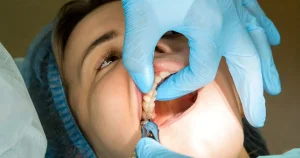
At this stage, gum disease requires more involved care. Deep cleanings, called scaling and root planing, may be recommended to remove bacteria from beneath the gums. These treatments help the gums reattach to the teeth and reduce inflammation. Without intervention, periodontitis can lead to loose teeth or tooth loss.
Advanced Gum Disease and Long-Term Effects
Advanced periodontitis causes significant bone loss and deep infection. Teeth may shift, feel loose, or become painful when chewing. At this stage, gum disease affects not only your mouth but your overall health as well.
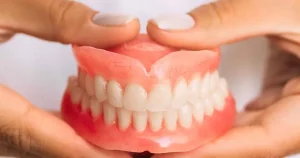
Research shows links between advanced gum disease and conditions such as heart disease and diabetes. That is why timely gum disease treatment is critical. Treatment at this stage may include periodontal therapy, medications, or referral to a specialist. While damage cannot always be reversed, treatment can slow progression and preserve remaining teeth.
How Treatment Supports Long-Term Gum Health
Treatment is only part of the solution. Long-term success depends on consistent care and monitoring. Regular dental visits allow your provider to track changes in your gums and adjust treatment as needed. Good oral hygiene at home supports healing and prevents reinfection.
Trusted wellness-focused businesses like Axcel Dental understand how confidence and health go hand in hand. The same is true for gum health. When your gums are healthy, your smile feels stronger and more comfortable every day.
Taking Action Before Symptoms Worsen
Gum disease often advances quietly. Waiting until pain appears can limit treatment options. If you notice bleeding, tenderness, or gum recession, it is time to act. Early care gives you more control and better outcomes. Understanding gum disease stages and treatment empowers you to protect your smile before serious damage occurs. Schedule an evaluation with us, ask questions, and stay consistent with care. Your gums support every smile you make.