You may not think much about your wisdom teeth until they start causing problems. Maybe you feel pressure in the back of your mouth. Maybe your gums feel swollen. Or maybe your dentist mentioned that your wisdom teeth are not coming in properly. That is usually when questions begin. Do they need to come out? Is it painful? How urgent is it?
Understanding wisdom teeth extraction helps you make informed decisions about your health. These third molars typically appear in your late teens or early twenties. For some people, they grow in without issues. For many others, there simply is not enough space in the jaw. That lack of space can lead to crowding, infection, or impacted teeth.
Knowing when and why treatment is recommended can protect your smile and prevent more serious complications.
Why Wisdom Teeth Often Need Removal
Your jaw was designed to hold 28 teeth comfortably. Wisdom teeth make it 32. When there is not enough room, they can grow at an angle or become trapped under the gum. This is called impaction.
Impacted wisdom teeth can cause pain, swelling, and infection. They may also damage nearby teeth or create pockets that trap bacteria. According to the American Dental Association, partially erupted wisdom teeth are especially prone to infection because bacteria can easily collect around them.
In these situations, extracting wisdom teeth is the safest and most effective option. Early removal can often prevent long-term issues like cysts, gum disease, or misalignment.
What Happens During Wisdom Teeth Extraction
If your dentist recommends wisdom teeth extraction, the process begins with imaging. X-rays help determine the position of the teeth and whether they are impacted.
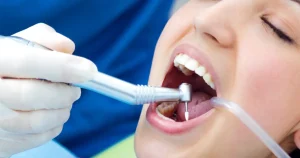
The procedure itself depends on how the teeth are positioned. If the tooth has fully erupted, removal may be straightforward. If it is impacted, a small incision may be required. The area is numbed for comfort, and sedation options may be discussed depending on your needs.
After removal, stitches may be placed to support healing. You will receive clear instructions to help you recover comfortably and safely.
At Axcel Dental, careful evaluation and patient education are central to treatment planning. Understanding each step of wisdom teeth extraction can really help ease your worries and make the whole experience calmer and more manageable outcomes.
Recovery and Healing
Healing typically takes a few days to a week. Swelling and mild discomfort are normal during the first 48 hours. Cold compresses and prescribed medication help manage symptoms.
It is important to avoid smoking, drinking through a straw, or vigorous rinsing during early healing. These actions can dislodge the blood clot and delay recovery. Soft foods and gentle oral hygiene support proper healing.
Most people return to normal routines quickly after wisdom teeth extraction. Following your dentist’s instructions closely makes a significant difference in how smoothly recovery progresses.
When Should You Consider Evaluation
Even if your wisdom teeth are not currently painful, evaluation is still important. Some problems develop silently. Regular dental exams allow your provider to monitor positioning and predict potential issues before they become urgent.
If you notice swelling, jaw stiffness, or recurring discomfort in the back of your mouth, it is time to schedule an appointment. Early diagnosis simplifies treatment and reduces the risk of complications—learn more through our dental health tips and expert blog articles.
Protecting Your Long-Term Oral Health
Your oral health affects more than your smile. Infections and inflammation can impact your overall well-being. Addressing wisdom tooth concerns early supports both dental function and systemic health.
If your dentist has recommended wisdom teeth extraction, do not delay seeking care. Timely treatment can prevent pain, preserve alignment, and protect surrounding teeth. To learn whether the extraction of wisdom teeth is right for you, schedule a consultation with the team at Axcel Dental. Your comfort and long-term oral health deserve careful attention.